
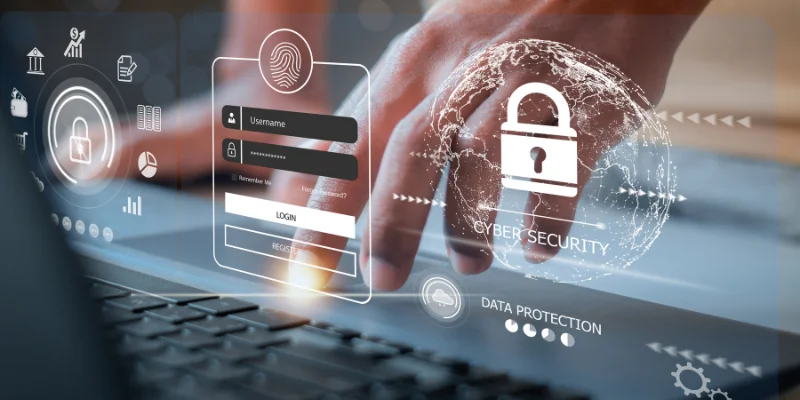
The internet is a powerful place for students. You can learn, watch videos, attend online classes, play games, and talk to friends. But the internet also has dangers like hackers, scams, fake information, and cyberbullies. Cyber safety means protecting yourself, your device, and your personal information when you are online. In 2026, cyber threats are getting smarter, so students must also become smarter about safety. These tips will help you stay safe online in a simple and clear way.
Protect Your Personal Information
Your personal information is valuable. Hackers, scammers, and fake websites try to steal it. Never share:
- Your home address
- Phone number
- School name (in public posts)
- Passwords
- CNIC, passport, or ID numbers
- Bank or payment details
- Private photos
Even your date of birth can help hackers break into accounts. Share only when necessary and on trusted platforms.
Use Strong and Unique Passwords
A strong password is like a strong lock. Weak passwords are easy to break. Avoid:
- 123456
- password
- your name
- school name
- birth year
A good password should have:
- Capital letters
- Small letters
- Numbers
- Symbols
Also, don’t use the same password everywhere. If one site gets hacked, all your accounts could be at risk.
Turn on Two-Factor Authentication (2FA)
2FA adds an extra security step after your password. It sends a code to your phone or email. Even if someone knows your password, they still can’t enter without the code. Always enable 2FA for:
- Social media
- School portals
- Cloud storage
- Gaming accounts
This is one of the strongest protections for students.
Keep Your Devices Updated
Software updates are not annoying messages — they are security fixes. Hackers use outdated software to break into devices. Always update:
- Operating system (Windows, Android, iOS, Linux, macOS)
- Browser (Chrome, Edge, Firefox, etc.)
- Antivirus
- Apps
Set updates to automatic if possible. Updated devices are much safer.
Install a Trusted Antivirus
Antivirus protects your device from malware, viruses, spyware, and dangerous downloads. Students often download:
- Free games
- Cracked software
- Movies
- Study tools
Some of these files may contain hidden viruses. Antivirus scans and blocks threats before they harm you.
Don’t Click on Unknown Links
Hackers trick students with fake links through:
- SMS
- WhatsApp messages
- Instagram DMs
- Emails
- Pop-up ads
The link may look real but can steal your data or install malware. Signs of danger:
- Urgent messages (You won a prize!)
- Free offers
- Account warning scams
- Unknown senders
If unsure, don’t click. Ask a teacher, parent, or tech expert first.
Avoid Public Wi-Fi Without VPN
Public Wi-Fi in schools, cafés, libraries, or malls is not always safe. Hackers can spy on unprotected connections. If you must use public Wi-Fi:
- Turn on your VPN
- Avoid logging into sensitive accounts
- Don’t download files
- Turn off Wi-Fi when not in use
This stops data interception and tracking.
Download Only From Trusted Sources
Students love exploring new tools, but downloading from unsafe websites can infect your device. Avoid downloading from:
- Random Google search sites
- Unknown APK websites
- Pirated software pages
Always download from official app stores or trusted educational platforms.
Beware of Fake Information
Not everything online is true. Students can be fooled by:
- Fake news
- AI-generated content
- False study answers
- Edited videos
- Fake accounts
Before trusting information:
- Check multiple sources
- Ask teachers
- Look for professional writing style
- Avoid sensational claims
Learning to verify information is part of cyber safety.
Stay Safe on Social Media
Social media is fun but also risky if not used carefully. Tips for students:
- Keep your account private
- Accept friend requests only from real people you know
- Don’t post your live location
- Don’t share your daily schedule
- Avoid posting pictures in school uniform publicly
Hackers and strangers can misuse public profiles.
Don’t Talk to Strangers Online
Online strangers can pretend to be your age, but they may not be. Risks include:
- Grooming
- Scams
- Identity theft
- Blackmail
- Kidnapping traps
Never move conversations to secret chats or share photos with strangers. Block and report suspicious users.
Avoid Cyberbullying and Report It
Cyberbullying includes:
- Harsh comments
- Threat messages
- Fake rumors
- Embarrassing photo sharing
- Group targeting
If this happens to you:
- Don’t reply in anger
- Take screenshots
- Report the account
- Tell a teacher or parent
Silence gives bullies power. Reporting removes their power.
Don’t Use Cracked or Pirated Software
Many students download cracked software to save money. This is dangerous because cracked files often contain:
- Trojans
- Spyware
- Keyloggers
- Ransomware
These can steal passwords, spy on your screen, or lock your files. Use free official alternatives instead.
Learn About Scams
Common scams targeting students in 2026:
- Scholarship scams
- Fake job offers
- Free game currency scams
- Fake exam result pages
- Fake teacher/admin accounts
- Online shopping traps
A rule: If it sounds too good to be true, it is probably fake.
Secure Your Email
Your email is your most important account. If hacked, attackers can reset passwords for everything else. Protect your email by:
- Strong password
- 2FA enabled
- No clicking unknown links
- No signing into random websites
Email safety means full digital safety.
Be Careful With Online Payments
Some students use:
- Parents’ cards
- E-wallets
- Online shopping
Safety tips:
- Pay only on trusted sites
- Avoid saving card details online
- Don’t pay on public Wi-Fi
- Check seller reputation
Students should never share payment screenshots or OTP codes.
Don’t Plug Unknown USBs Into Computers
USB devices can contain malware that installs automatically. Never insert:
- Found USB drives
- Unknown friend USBs
- Unverified data sticks
Ask permission and scan USBs with antivirus first.
Protect Your School Accounts
School accounts may include:
- Student portals
- Online classroom platforms
- Library systems
- Assignment storage
- Exam dashboards
Protect them with:
- Strong password
- 2FA
- No sharing with friends
- Logout after use
Sharing school logins can lead to data theft or academic trouble.
Enable Screen Lock and Fingerprint Security
If your phone or laptop gets stolen or lost, hackers can open accounts easily. Always enable:
- PIN lock
- Fingerprint or Face ID
- Pattern lock
- Device encryption
This protects your personal data even if the device is gone.
Backup Your Data
Backups protect you from ransomware, device damage, or accidental deletion. Students should backup:
- Study notes
- Assignments
- Photos
- Certificates
- Important documents
Use cloud backups or offline storage that is secure and scanned.
Log Out After Using Shared Devices
Many students log into accounts on school or library computers and forget to logout. This is dangerous. Always:
- Logout
- Remove saved passwords
- Close browser
- Avoid using “Remember Me” on shared PCs
This prevents unauthorized access.
Learn Basic Cybersecurity Skills
Even beginners can learn safety skills like:
- Recognizing phishing
- Understanding malware
- Using VPNs
- Checking suspicious files
- Learning about ethical hacking
Cyber knowledge is the biggest defense for students.
Final Words
Cyber safety is not only for experts. It is for every student who uses the internet. Protecting your personal information, using strong passwords, enabling 2FA, updating devices, avoiding unknown links, and reporting cyberbullying are the most important steps you can take in 2026. The internet should help you learn, not harm you. When you follow these tips, you make your digital life much safer, smarter, and stress-free.