
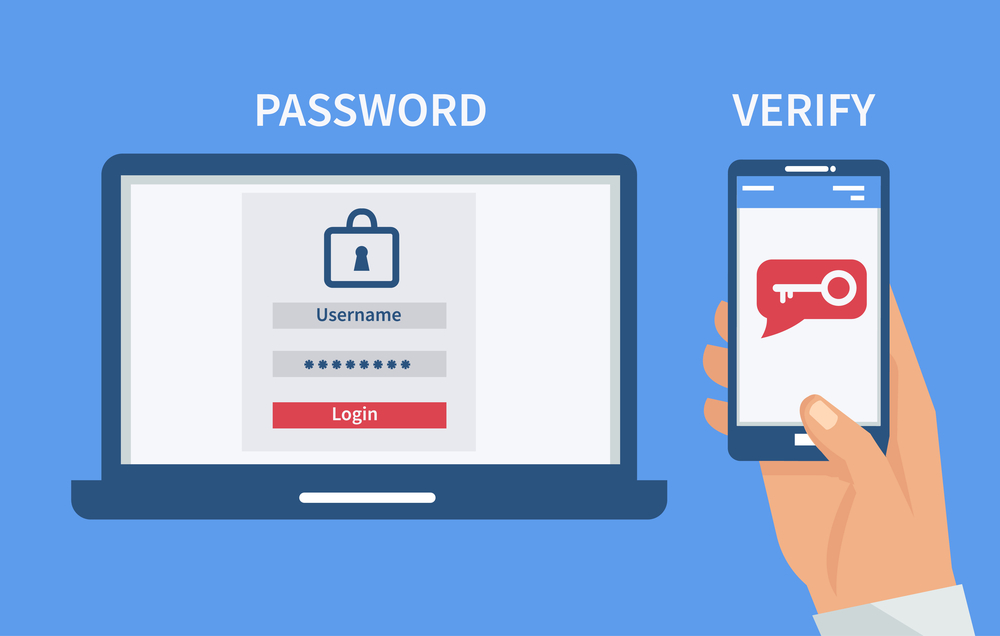
Two-Factor Authentication, also called 2FA, is a security method that protects your online accounts. It adds a second step after entering your password. This means even if someone steals your password, they still cannot log in without the second verification. In 2026, cyber attacks are increasing, and passwords alone are not enough. 2FA is now one of the most trusted and effective ways to secure personal data, financial accounts, cloud storage, social media, and business systems.
This guide explains 2FA in a friendly and human way, so anyone—students, parents, and professionals—can understand it and use it confidently.
Why 2FA Is Important
The internet connects everything today. We use it for messaging, shopping, banking, learning, entertainment, and storing private files. Hackers try to break into accounts to steal money or personal data. Many attacks succeed because users rely only on passwords. Passwords can be guessed, leaked, or stolen through phishing or malware. That is why 2FA matters. It creates a second barrier, making hacking much harder.
In 2026, threats like SIM swapping, deepfake voice scams, token theft, AI-generated phishing, and automated malware attacks are more common. 2FA blocks many of these threats by requiring extra proof of identity.
How 2FA Works
2FA works by verifying two things:
- Something you know → your password
- Something you have or are → like your phone, fingerprint, face scan, or authentication code
After you enter your password, the system asks for a second verification. This could be a code from an app, a message, a fingerprint scan, or a prompt on your device. Only when both steps are correct, access is granted.
Types of 2FA
There are multiple types of 2FA, and each has different security levels.
1. Authentication App Codes
These are codes generated inside apps like Google Authenticator, Microsoft Authenticator, Authy, or Aegis. The app creates a new 6-digit code every 20–30 seconds. Since it works offline, hackers cannot intercept it easily. This is one of the safest 2FA methods.
2. SMS Codes
A verification code is sent to your phone number through text message. This method is common but less secure than authentication apps because hackers can sometimes steal your phone number using SIM swap fraud and receive your codes.
3. Email Codes
A code is sent to your email inbox. This is safer than SMS but still risky if your email account is not secured with 2FA itself. If hackers enter your email, they can approve login requests.
4. Fingerprint or Face ID
This uses biometric authentication. Your phone or laptop scans your fingerprint or face to verify you. It is safe and fast, but it depends on your device. If your device is stolen and unlocked, hackers may try to use saved login sessions.
5. Push Notification Approval
Instead of codes, you receive a login approval prompt on your trusted device. You tap “Yes” to approve. This method is secure but can be dangerous if you approve prompts without checking.
6. Hardware Security Keys
These are physical USB or NFC keys like YubiKey, Titan Key, or Thetis FIDO2 keys. You insert or tap the key to approve login. This is the strongest 2FA method, mostly used for business or high-security accounts.
Which 2FA Method Is Best?
The best ranking for security is:
- Hardware security key
- Authentication app code
- Push notification prompt
- Email code
- SMS code
So if you want the strongest protection, choose authentication apps or hardware keys instead of SMS.
Where to Use 2FA
You should enable 2FA on every important account, including:
- Gmail, Outlook, ProtonMail, or any email account
- Google Drive, OneDrive, iCloud, Dropbox
- Facebook, Instagram, TikTok, YouTube, X
- Banking apps, PayPal, Sadapay, NayaPay, Wise
- Crypto wallets like Binance, Coinbase, MetaMask, Trust Wallet
- Gaming accounts like Steam, Epic Games, Xbox, PlayStation, Roblox
- Work systems, admin dashboards, cloud servers
Since your email is the main key to reset other passwords, securing it with 2FA is the top priority.
Step-by-Step: How to Enable 2FA
Most platforms follow a similar process. Here is a general step-by-step method:
- Open the app or website manually
- Go to Settings
- Find Security or Account Protection
- Select Two-Factor Authentication
- Choose a method (preferably authentication app or hardware key)
- Scan the QR code shown on the screen using your authentication app
- Enter the generated code to confirm
- Save backup codes safely
Backup codes are emergency login codes that work if you lose access to your 2FA device. These codes must be saved offline, never stored in screenshots in cloud storage or notes apps.
Common 2FA Risks You Must Avoid
2FA is powerful, but mistakes can make it weak. Avoid these risks:
Approving Without Checking
Hackers may try to trick you into approving login prompts. Always read the prompt carefully before tapping “Yes.”
Saving Backup Codes Online
Never save backup codes in cloud notes, Google Drive, or screenshots. If cloud is hacked, backup codes are stolen too.
Using SMS Only
SMS 2FA is better than nothing, but still risky. Always add an authentication app if available.
Losing Your 2FA Device
If you lose your phone or authentication app, you may lose access to accounts. So always:
- Keep backup codes offline
- Add a secondary 2FA method if possible
- Register a recovery email that also has 2FA
Using Untrusted Apps for 2FA
Always use popular, official, open-source, or trusted authentication apps. Don’t download random 2FA apps.
How Hackers Try to Bypass 2FA in 2026
Hackers use advanced techniques, such as:
1. SIM Swap Fraud
They trick telecom support into giving them your phone number. Then they receive your SMS 2FA codes.
2. Token Theft
Malware steals session cookies or login tokens from browsers. This can bypass 2FA if the session is already active.
3. Fake 2FA Pages
Phishing sites imitate real login pages and steal passwords + 2FA codes at the same time.
4. AI Voice Impersonation
Hackers clone voices to pretend to be account owners and convince support teams to disable 2FA.
5. Fake Support Calls
They call victims pretending to be banks or companies, asking for 2FA codes to “verify account issues.”
But remember: No real company ever asks for your 2FA code directly. If someone asks for it, it is 100% a scam.
Extra Protection Tips to Strengthen 2FA
Use 2FA on Your Email First
Because email controls recovery of all other accounts.
Use Passkeys Along With 2FA
Passkeys use device-based identity and are harder to phish.
Lock Your Authentication App
Use biometric lock or PIN inside the 2FA app if available.
Use a Separate Device for 2FA if Possible
For very important accounts, use 2FA on a device you don’t use for browsing or downloads.
Turn on Login Alerts
So you know when someone tries to enter your account.
Limit Recovery Options
Disable password recovery questions because answers can be guessed or collected from social media.
Use Hardware Keys for Business or Crypto
Because they provide the strongest defense.
What to Do if Someone Gets Your 2FA Code
If you think your 2FA code was shared by mistake, act fast:
- Change your password immediately
- Remove old 2FA setup and generate a new one
- Revoke all logged-in devices or sessions
- Check login history
- Contact official support—but never share codes during the call
2FA for Mobile vs Laptop
On Mobile
2FA protects apps and cloud logins, but malware can misuse permissions. Always install apps from official stores and deny unnecessary permissions.
On Laptop/PC
2FA protects browser logins, but malware can steal cookies. Always use antivirus, avoid cracked downloads, and clear cookies often.
Future of 2FA in 2026 and Beyond
By 2026, 2FA is evolving. We now see:
- Password + passkey + 2FA combo security
- Biometric-based 2FA
- AI security that detects fake login behavior
- FIDO2 hardware keys becoming more popular
- 2FA required by default on major platforms
Soon, logging in with only a password will become outdated.
Final Thoughts
Two-Factor Authentication is not just a second code—it is your digital bodyguard. The safest options are authentication apps and hardware keys. Always secure your email first, save backup codes offline, verify login prompts, and never share 2FA codes with anyone, even if they sound real. Cybersecurity in 2026 is advanced, but 2FA gives normal users expert-level protection.
Your accounts hold your memories, identity, work, and money. Protect them with 2FA, stay aware, and you will always be one step ahead of hackers.